

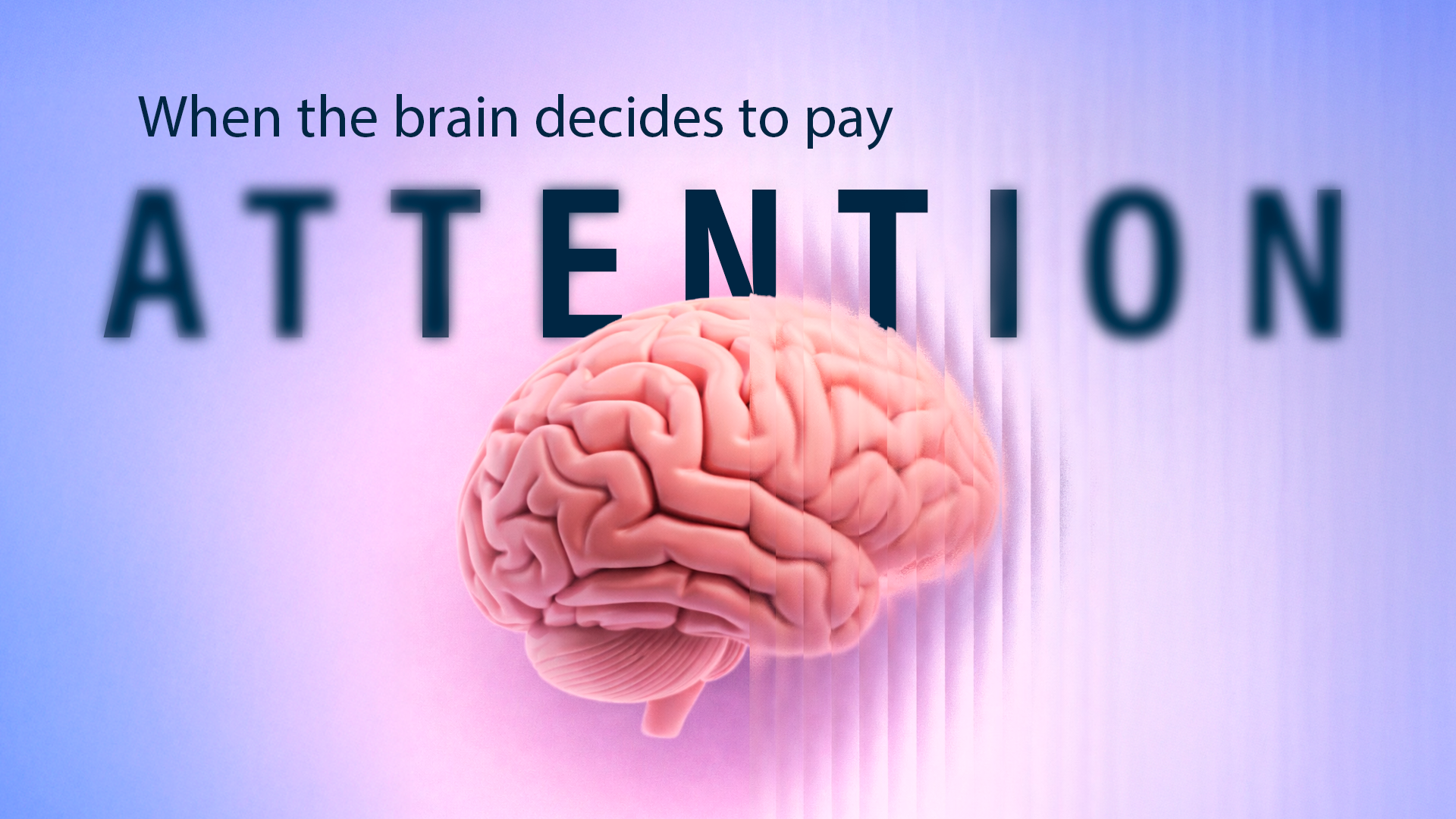
In today’s digital economy, attention is no longer a soft metric. It is a hard constraint. Neuroscience of Personalization
Brands invest heavily in personalization technologies, data platforms, and recommendation engines. Neuroscience of Personalization. Yet most personalization efforts fail for one simple reason:
they optimize what the company wants to show, not what the brain is willing to process.
Neuroscience offers a more precise lens. A growing body of research shows that when individuals perceive information as personally relevant, their brains allocate deeper attentional and cognitive resources. This is not a metaphor—it is a measurable neural phenomenon.
A recent EEG study published in Neuroscience Letters (Shang et al., 2023) provides compelling evidence that personalized recommendations elicit stronger neural markers of attention and emotional evaluation, anticipating downstream purchase behavior.
This article explores what that study reveals, why it matters for business, and how leaders can rethink personalization as a strategy for attention management, not persuasion.
Attention Is the Gateway to Decision-Making
From a neuroscientific perspective, attention is not optional. It is the entry ticket to cognition, emotion, and choice.
The human brain processes an overwhelming volume of sensory input every second. To survive, it relies on powerful filtering mechanisms that suppress most stimuli before they reach conscious awareness. Only information deemed relevant, salient, or meaningful earns deeper processing.
In commercial environments, this means one thing:
If your message does not pass the brain’s relevance filter, it never truly enters the decision process.
This is where personalization becomes critical—not as a marketing tactic, but as a neurocognitive alignment mechanism.
What the EEG Study Actually Shows
The study by Shang et al. (2023) used electroencephalography (EEG) and event-related potentials (ERP) to examine how consumers process personalized versus non-personalized recommendations during online decision-making tasks.
Unlike surveys or self-reports, EEG captures real-time neural activity, revealing what the brain does before individuals can articulate preferences or intentions.
Key findings include:
- Personalized recommendations triggered stronger attentional allocation, reflected in ERP components associated with stimulus relevance.
- The brain showed enhanced emotional and evaluative processing when recommendations aligned with individual preferences.
- These neural responses preceded and predicted higher purchase intention, suggesting that attention and emotion are upstream drivers of behavior.
Importantly, the study does not claim that personalization guarantees conversion. Instead, it demonstrates something more fundamental:
Personalization changes how deeply the brain processes information.
And depth of processing is a prerequisite for meaningful choice.
Why Personalization Works at the Neural Level
To understand these findings, we must abandon a common misconception:
that personalization works because it is “more convincing.”
Neuroscience suggests a different mechanism.
Personalization reduces cognitive resistance
When information feels generic, the brain treats it as background noise. Processing remains shallow, fast, and dismissive.
When information feels personally relevant, the brain shifts mode:
- Attention becomes sustained rather than fleeting
- Cognitive resources are allocated more generously
- Emotional valuation systems engage
In short, the brain stops defending and starts evaluating.
This is not about manipulation. It is about relevance detection, one of the brain’s core survival functions.
Attention Is Not Awareness (and This Matters for Marketing)
Many organizations conflate visibility with attention.
A message can be seen, scrolled past, or even remembered—without ever being deeply processed. Neuroscience distinguishes between:
- Exposure
- Attention
- Cognitive evaluation
- Decision
Most marketing metrics measure exposure and behavior at the end of the chain. EEG research reveals what happens at the beginning.
The Shang et al. study shows that personalized content increases the likelihood that the brain will move from exposure to attention with intent—a necessary step before emotion, trust, or purchase can emerge.
Implications for Business Strategy
From a leadership and strategy perspective, these findings carry significant implications.
1. Personalization is an attention strategy, not a sales tactic
Its primary function is not persuasion, but focus.
It answers the brain’s implicit question: “Is this for me?”
Only after that question is resolved does persuasion even begin.
2. Data volume does not equal neural relevance
More data does not automatically lead to better personalization. What matters is whether the output maps onto the individual’s internal priorities, goals, or identity.
Poor personalization increases cognitive load and can backfire by triggering disengagement.
3. The ROI of personalization starts before behavior
Dashboards capture clicks and conversions. Neuroscience captures pre-decisional states: attention, valuation, and emotional readiness.
Understanding these upstream processes allows organizations to design experiences that align with how decisions are actually formed.
The Brain Is a Filter, Not a Funnel
Traditional marketing models treat the customer journey as a funnel. Neuroscience suggests a different metaphor:
The brain is a highly selective filter designed to reject almost everything.
Personalization works when it lowers the filter’s threshold—not by force, but by fit.
When a recommendation feels relevant, the brain interprets it as:
- Lower risk
- Lower effort
- Higher potential value
This subjective efficiency is reflected in measurable neural signals—and, eventually, in behavior.
Rethinking Personalization in Practice
For leaders in marketing, product, sales, and customer experience, the takeaway is clear:
Effective personalization is not about saying more.
It is about making the brain work less to understand why something matters.
This requires:
- Strategic clarity about whom you serve
- Psychological insight into what relevance means for them
- Discipline to prioritize meaning over volume
Neuroscience does not replace strategy.
It reveals whether strategy aligns with how the human brain actually operates.
Neuroscience of personalization: When Attention Is Earned, Choice Becomes Possible
The EEG evidence from Shang et al. (2023) reinforces a fundamental truth:
When the brain feels understood, it allocates attention more deeply.
And in a world of infinite content and finite cognition, attention is not just valuable—it is decisive.
Personalization succeeds not because it convinces, but because it earns the right to be processed.
For organizations willing to design experiences that respect the brain’s filtering logic, the reward is not just higher conversion—but more meaningful engagement, trust, and long-term value.
Scientific Reference
Shang Q, et al. (2023). Neural. Neuroscience of personalization,responses to personalized recommendations: An EEG/ERP study. Neuroscience Letters.
https://www.sciencedirect.com/science/article/abs/pii/S0304394023002203?utm_source=chatgpt.com